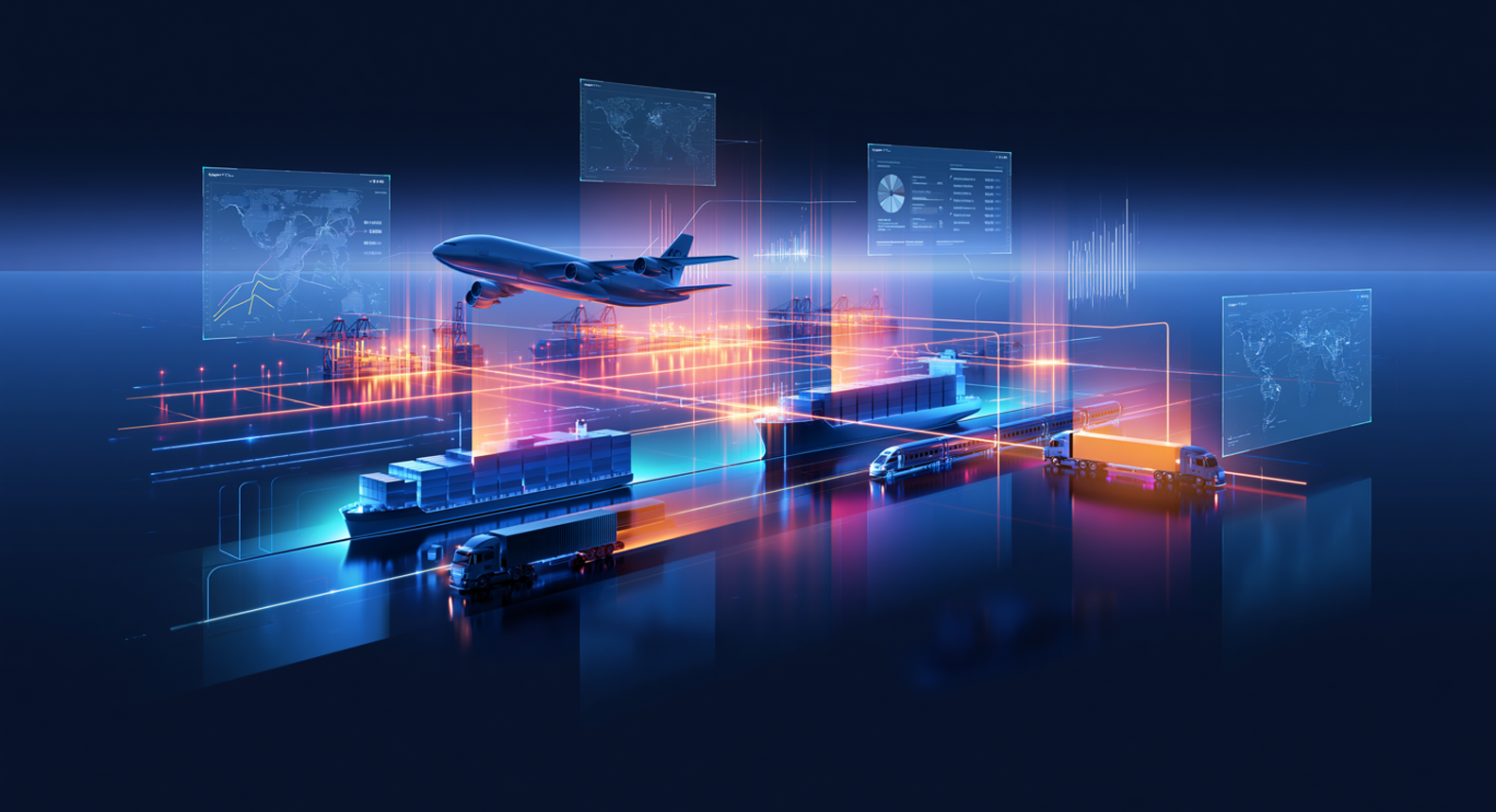
Why disconnected intelligence is creating a commercial resilience gap
For decades, logistics performance was shaped primarily by physical infrastructure.
Ports. Warehouses. Containers. Capacity. Fuel. Transit networks.
But today, logistics leaders are facing a different kind of operational pressure – one driven not only by physical movement, but by decision-making complexity.
Global instability is reshaping freight operations almost continuously. Wars, sanctions, Red Sea disruption, fuel volatility, tariff shifts, changing trade agreements, port congestion and sudden operational disruptions are forcing logistics organizations to make faster and more complex decisions than ever before.
A shipment that looked commercially viable in the morning may no longer be optimal by the afternoon. A lane can become commercially risky overnight. Fuel costs can impact margins within days. A delay at a single port can create ripple effects across entire supply chains.
And while the external environment becomes more dynamic, many logistics organizations are still relying on fragmented operational processes internally, including: spreadsheets, disconnected systems, manual rate comparisons, static pricing models, email chains, siloed operational knowledge.
The industry has spent decades optimizing execution. But recent disruptions have exposed a different challenge: the need for stronger cost intelligence and commercial resilience.
The next major competitive advantage may not come from moving freight more efficiently. It may come from making better decisions before execution even begins.
Logistics Is Entering an Era of Continuous Recalculation
Modern freight operations no longer operate in stable planning cycles. Today’s logistics teams are constantly recalculating:
- pricing
- carrier availability
- operational risk
- transit reliability
- surcharge exposure
- customer profitability
- delivery expectations
- shipment alternatives
And the speed of this recalculation matters. Because in modern logistics, delayed decisions can become expensive decisions.
A delayed quotation may lose a customer. An outdated surcharge may eliminate margin. An inaccurate tariff structure may create commercial risk. A disconnected pricing process may generate inconsistent offers across teams and regions.
This is especially challenging for freight forwarders operating across multiple carriers, geographies and customer agreements simultaneously.
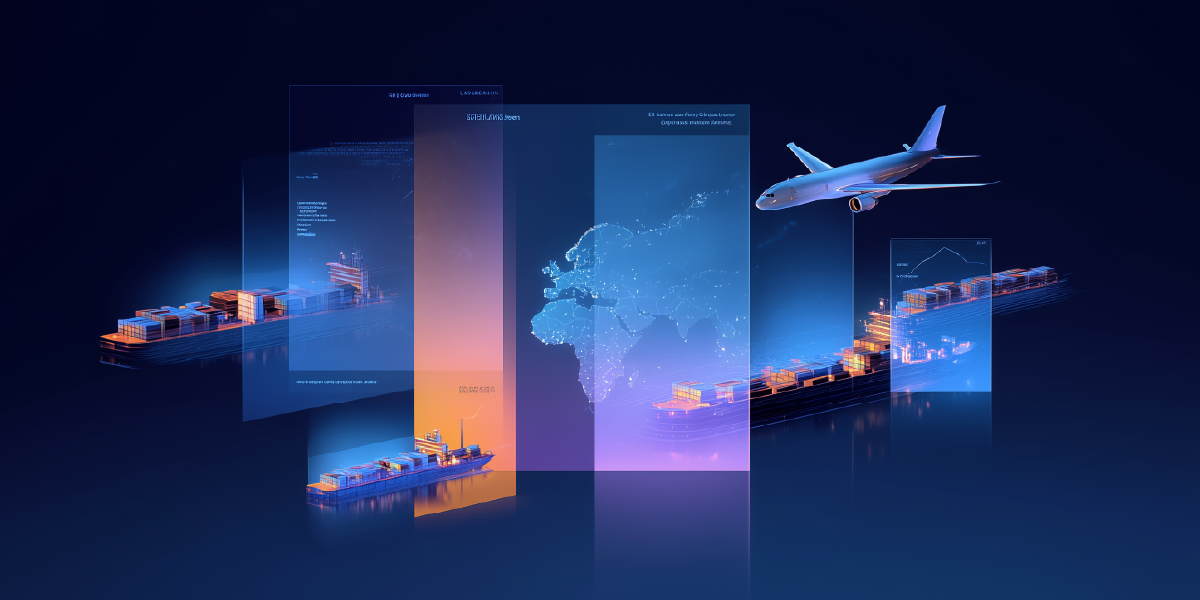
Why We Created FreightGo
FreightGo was created around a simple observation: execution platforms are exceptionally effective at managing shipments once a decision has been made.
The challenge is that many of the most important commercial decisions happen before execution begins.
Questions such as:
- Are we publishing the right rate?
- Are we using the optimal hub?
- Is there a more profitable routing option?
- What is the margin impact of changing conditions?
- Could a more sustainable transport mode achieve the same outcome?
These decisions require visibility, modelling and governance that traditional execution systems were never designed to provide.
The goal was to create a more intelligent operational environment for freight forwarders and logistics teams. An environment where pricing intelligence, tariff governance, scenario modelling and operational visibility work together – not separately.
Because logistics decisions rarely happen in isolation.
A pricing decision affects margin. A carrier choice affects service reliability. A surcharge change affects profitability. An operational disruption affects customer expectations. FreightGo helps bring these variables into a more connected decision-making process.
Instead of teams spending hours moving between spreadsheets, systems and disconnected data sources, FreightGo enables a more structured and intelligent approach to freight evaluation and pricing operations.
At its core, the platform is designed to help organizations:
- improve pricing consistency
- protect margins
- reduce manual operational effort
- respond faster to market changes
- compare commercial scenarios more effectively
- create better visibility across pricing logic and operational decisions
The value is not simply automation. It is operational control.
From Static Pricing to Dynamic Freight Intelligence
Historically, pricing processes were often relatively linear: calculate cost, apply margin, send quote. But modern freight operations are no longer linear.
Today, a quotation may need to consider fluctuating fuel exposure, disruption risk, customer-specific pricing logic, service reliability, geopolitical instability, procurement conditions, operational constraints, available capacity and evolving carrier conditions.
This is where intelligent scenario modelling becomes increasingly valuable.
This capability is becoming even more important as sustainability objectives move higher on the industry agenda.
Alternative transport modes such as rail or combined sea-rail solutions may offer meaningful environmental benefits, but evaluating these options requires organizations to understand the commercial implications alongside operational performance.
When cost structures, margins and operational variables remain fragmented, sustainable alternatives can be overlooked simply because they are difficult to evaluate consistently.
The future of logistics will belong to connected operational intelligence
The logistics industry is flooded with AI promises – copilots, assistants, automation layers, predictive engines and standalone intelligence tools.
Many deliver value in specific use cases. But AI without integration and governance can quickly create another layer of operational fragmentation.
A disconnected AI assistant may summarize information, but it does not understand operational context, align pricing logic across teams, or orchestrate decision-making across the business.
The companies that will lead the next phase of logistics transformation will not simply adopt more AI. They will build greater commercial resilience into their operations.
They will understand their cost networks more deeply, evaluate alternatives more intelligently, govern margins more consistently and anticipate disruption before it impacts performance.
Because the winners of the next decade will not necessarily be the organizations that react fastest to disruption. They will be the organizations that prepared for disruption long before it arrived.
This is where Sirma’s expertise in enterprise integration, orchestration and intelligent operational ecosystems becomes increasingly important.
Because the next logistics bottleneck may not be physical infrastructure at all. It may be disconnected intelligence.