
For three days at Multimodal, one of the UK’s leading supply chain, transport and logistics events, we spoke less about products and more about problems.
As first-time exhibitors together, Sirma and Jucari spent three days speaking with freight forwarders, logistics providers, technology partners and customers from across the industry. While our joint proposition resonated strongly, the conversations also revealed something more interesting.
Organizations weren’t searching for more technology – they were looking for practical ways to improve efficiency, simplify operations and help their teams do more with the resources they already have.
The industry doesn’t need more technology. It needs greater operational confidence.
For the past few years, artificial intelligence has dominated headlines across virtually every industry, and transport and logistics has been no exception. But what we observed at Multimodal suggests that the conversation is evolving.
Businesses are no longer asking whether AI has a place in the industry. Increasingly, they are asking where it fits, how quickly it can deliver measurable value, and how it can be introduced without disrupting the systems and processes they rely on every day.
Organizations have more technology available than ever before. The challenge is applying it in ways that solve genuine business problems rather than adding another layer of complexity.
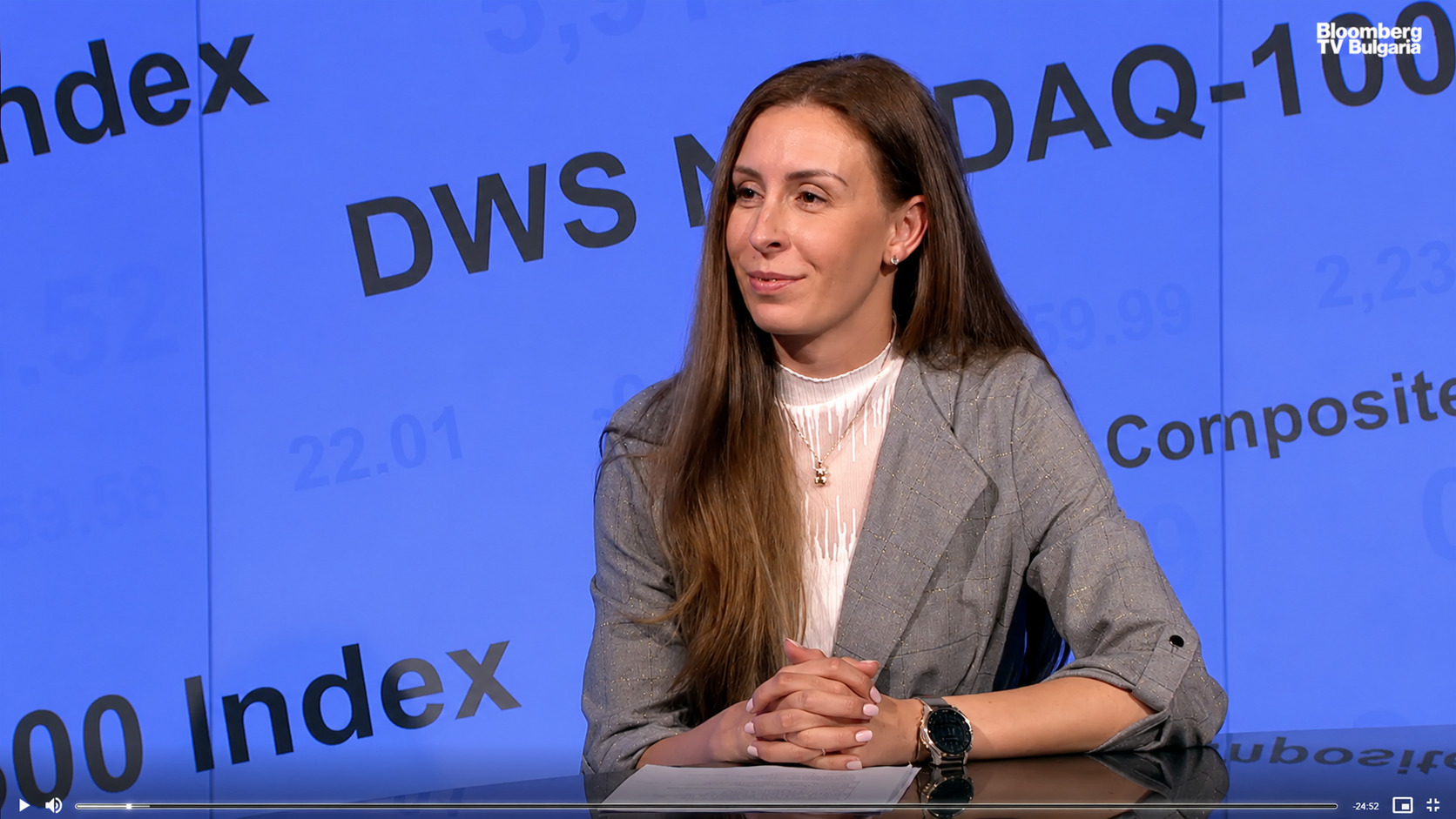
“AI is becoming increasingly important; not because it replaces people, but because it helps organizations address labor shortages, improve productivity, and enable faster, better-informed decision-making.” Monika Ilieva, speaking to Bloomberg TV Bulgaria
This perspective echoed many of our conversations at Multimodal. Organizations recognize AI’s potential but are looking for practical applications that improve day-to-day operations and deliver measurable business outcomes.
Watch Monika’s full Bloomberg TV Bulgaria interview here.
Operational challenges come first. Technology follows.
One of the strongest messages we took away from Multimodal was that logistics organizations are approaching technology far more pragmatically than before.
In fact, very few conversations started with AI. They started with pricing teams spending hours preparing quotes, operations teams managing growing workloads, commercial teams protecting margins, and business-critical knowledge locked away with a handful of experienced employees.
These are operational challenges every logistics organization recognizes. Technology only becomes valuable when it helps solve them.
Successful AI adoption rarely begins with choosing a platform. It begins by identifying where repetitive work can be reduced, decision-making improved and employees freed to focus on higher-value activities.
The role of the right partner
Another observation from Multimodal was that businesses are becoming increasingly selective about who they choose to work with. The industry doesn’t need more software vendors. It needs partners who understand logistics well enough to build technology around operational reality.
That philosophy sits at the heart of the partnership between Sirma and Jucari.
Jucari brings deep CargoWise expertise and operational logistics experience. Sirma contributes enterprise AI, intelligent automation and the Sirma.AI Enterprise platform, enabling organizations to build intelligent, scalable solutions tailored to their business.
Together, the focus is not on introducing AI for its own sake. It is on helping logistics companies unlock greater value from the systems they already use while creating opportunities to work smarter, respond faster and make more informed business decisions.
“Our role as transformation experts is not simply to help organizations use AI, but to pioneer its safe adoption - turning AI’s potential into measurable business outcomes and lasting value.” Justine Kruger, CEO and Founder, Jucari Global
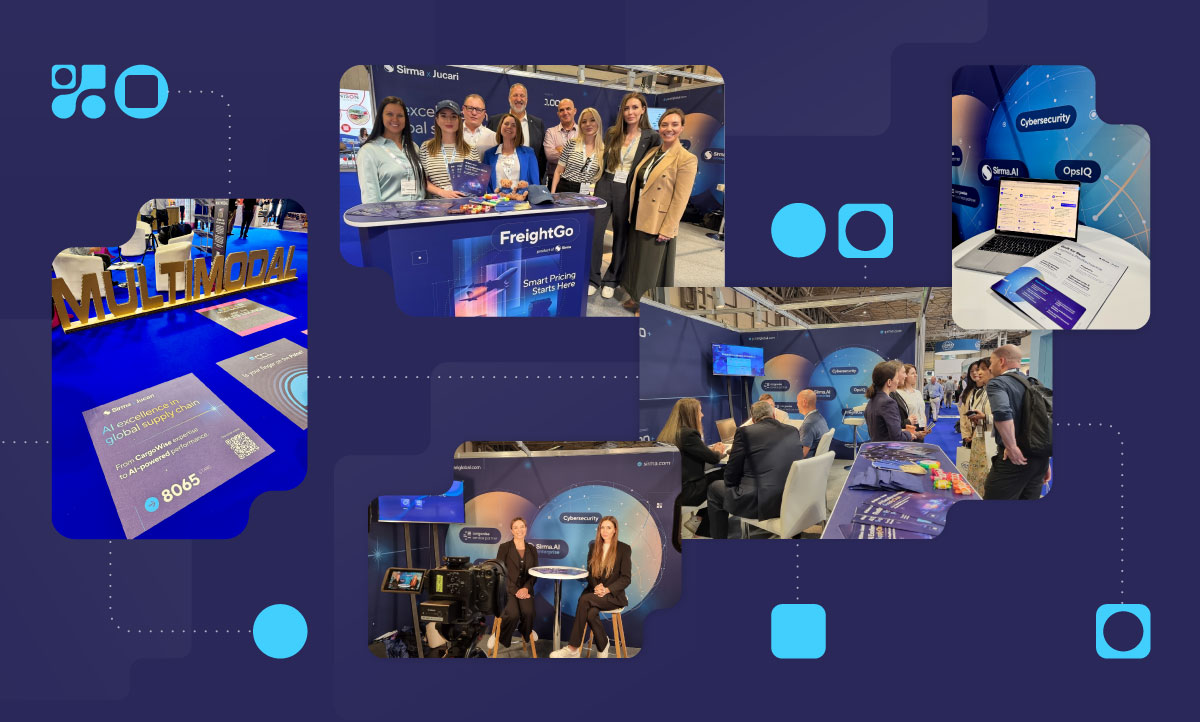
Making intelligence practical
Throughout the exhibition, one thing became increasingly clear: organizations are looking for solutions that fit naturally into existing workflows rather than requiring wholesale transformation.
Solutions such as FreightGO and OpsIQ were developed around real operational challenges, helping logistics teams make faster pricing decisions, improve operational visibility, reduce repetitive manual work and support commercial teams with better insights. Rather than replacing experienced professionals, they extend their capabilities, allowing expertise to scale across the organization while freeing people to focus on higher-value activities.
Perhaps the biggest barrier to adoption isn’t capability but confidence. Organizations are interested in AI but remain cautious about implementation and day-to-day usability. That’s why education, practical use cases and incremental adoption are often the difference between experimentation and long-term success.
Looking ahead
If there was one lasting impression from Multimodal, it was that the transport and logistics industry is entering a more mature phase of digital transformation.
Organizations are becoming less interested in technology as an end goal and more focused on solutions that improve operational efficiency, strengthen resilience, and deliver measurable business value.
The future of transport and logistics will not be defined by the organizations that adopt the most technology. It will be shaped by those that apply it thoughtfully, solve the right operational challenges, and work with partners who understand both the technology and the industry it is designed to support.
At Sirma, that is exactly how we approach AI – not as a destination, but as a practical tool for helping logistics organizations build smarter, more efficient and more resilient operations, one business challenge at a time.